
Our Applications
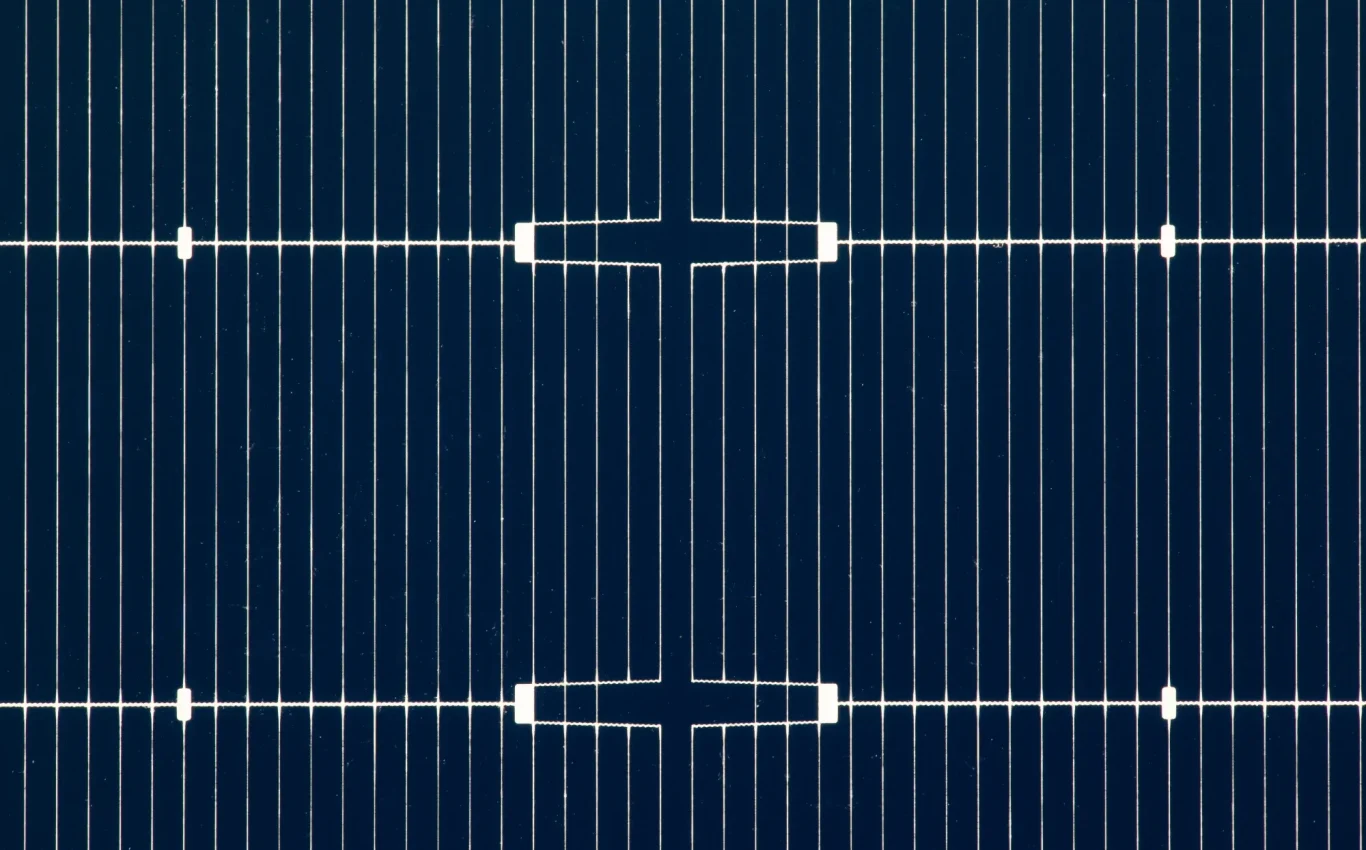
Solar Cell Metallization
Our group researchs screen-printable pastes for both conventional and next-generation solar cells. Our formulations could enable significant savings without compromising conductivity or efficiency.
Flexible Printed Electronics & Sensors
Our technology enables flexible electronics with fewer conductive particles. This could reduce material costs while improving mechanical flexibility and long-term durability.
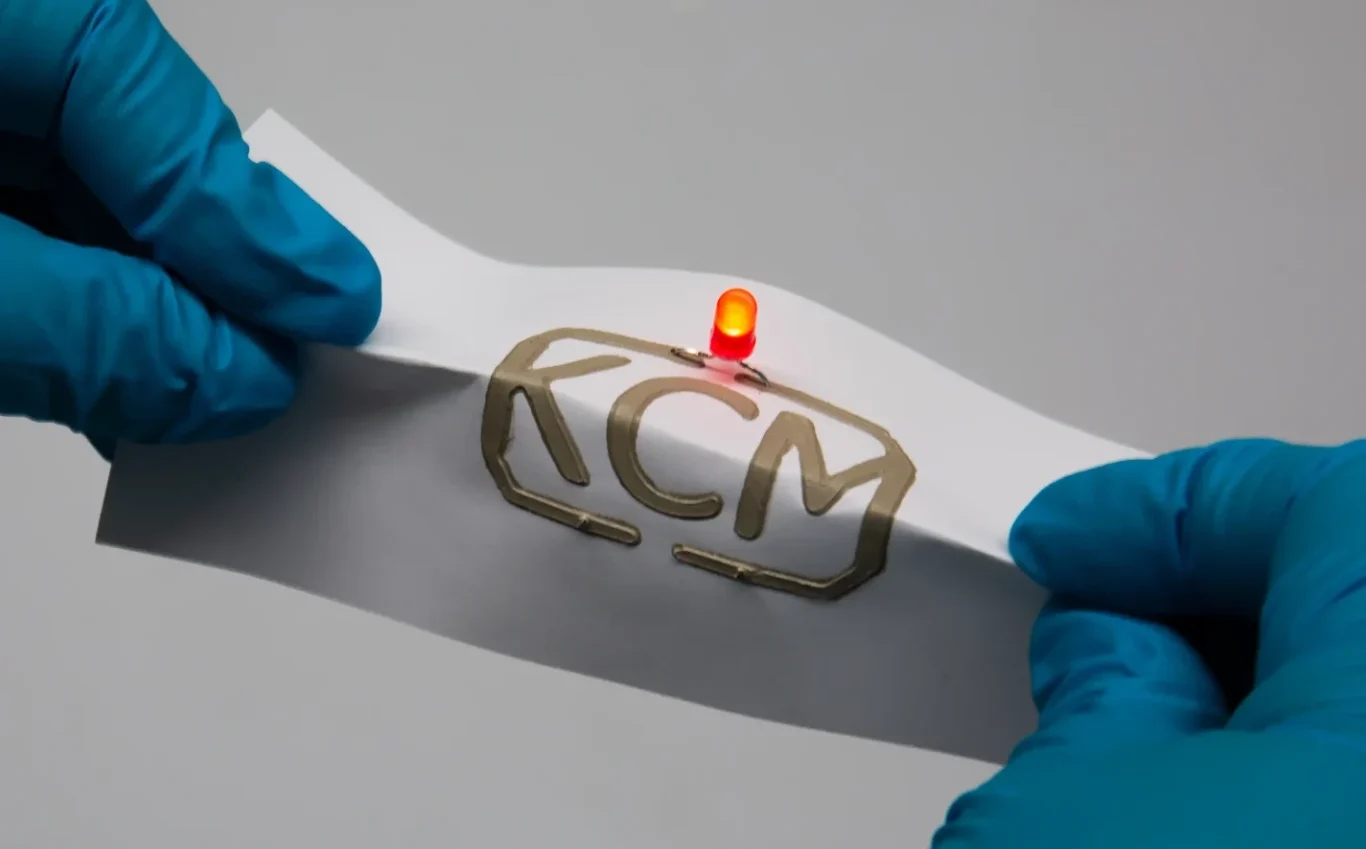
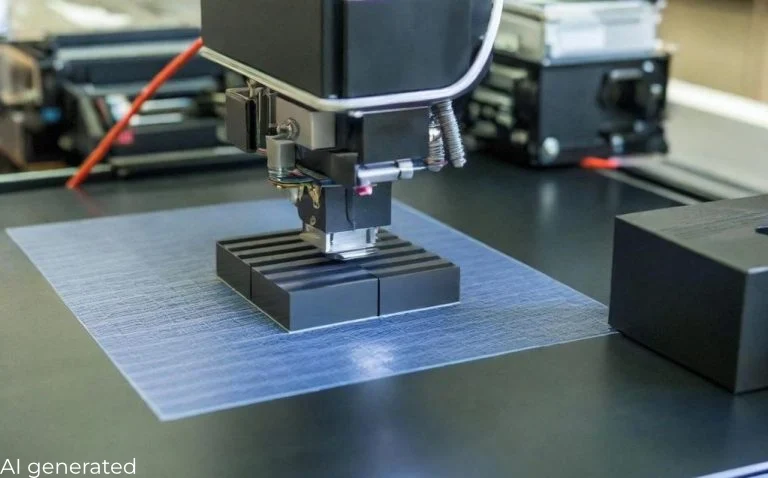
3D Printing
Our concept allows the production of cost-efficient, conductive pastes for Direct Ink Writing, ideal for rapid prototyping of functional components with integrated conductive paths
In-mold Electronics
In-mold electronics represents a promising additional use case. To unlock its full potential, we are actively seeking partners for joint exploration and implementation.
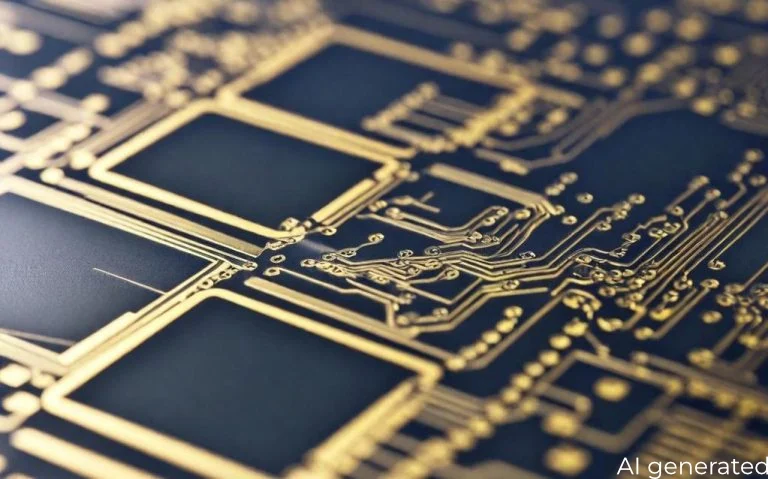
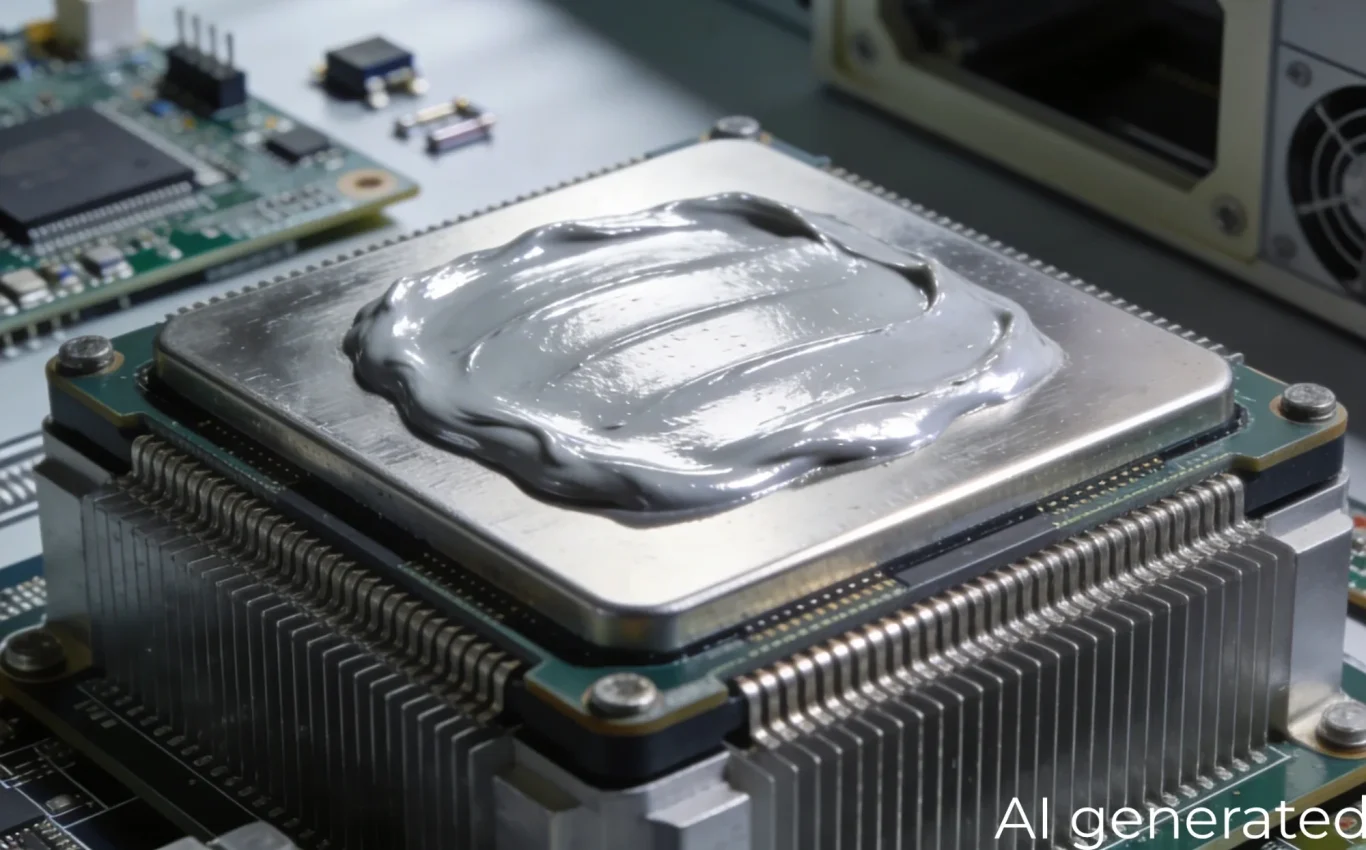
Thermally Conductive Pastes
Our technology could enable the production of cost-efficient, thermally conductive pastes with exceptional performance. Ideal for heat management in batteries and computer technology.
Compatibility with Standard Printing Technologies
To enable integration into existing production lines, the pastes must be designed for compatibility with industrial printing methods and established processes.
Examples:
Screen printing is one of the most cost-effective printing techniques. It is the industry standard for many electronics applications and ideal for high-throughput manufacturing.
Dispensing features airtight fluid management and supports fast-curing, low-temperature formulations. Perfect for precise, automated application.
Stencil printing is a highly accurate method for applying paste to printed circuit boards. It ensures consistent layer thickness and precise pattern definition.
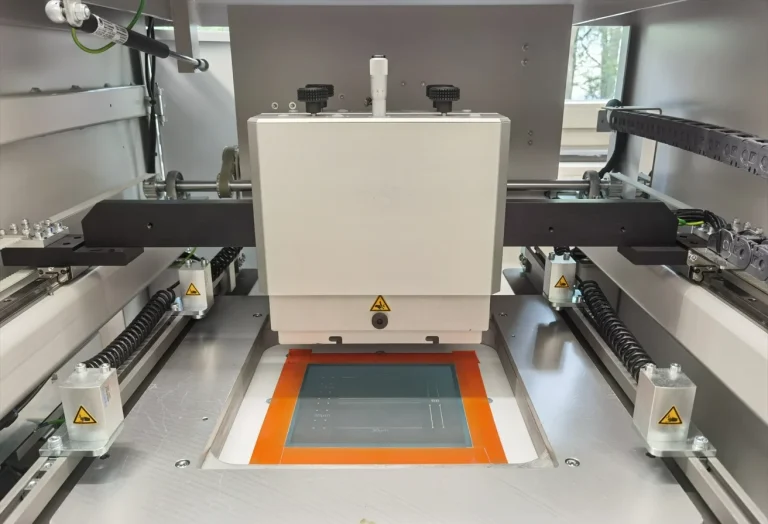
Case Study: Fine Line Printing for Solar Cells
Silver remains one of the most cost-driving materials in solar cell production, especially in front-side metallization. At our research group at KIT, we have demonstrated that our high-performance pastes enable fine-line printing while reducing silver consumption, increasing conductivity, and ensuring industrial scalability.
We tested our technology for both high-temperature PERC/TopCon and low-temperature next-generation cells, giving manufacturers opportunity to reduce costs, improve efficiency, and achieve more sustainable production.
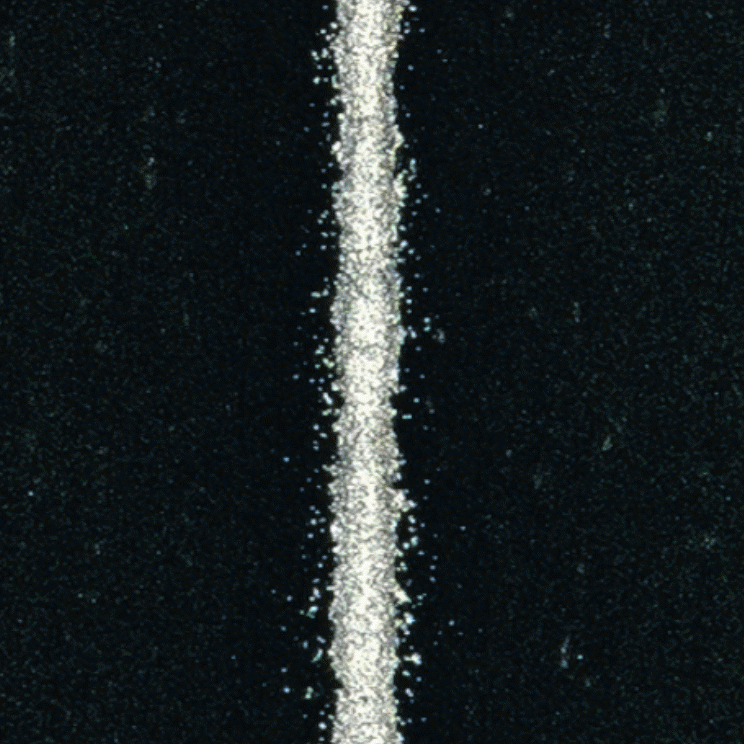
High Temperature Pastes for Solar Cells
- Printing speed higher than 500 mm/s
- Feature size down to 16 µm in screen printing
- Up to 19% less paste laydown
- Light conversion efficiencies of 23.53% on PERC
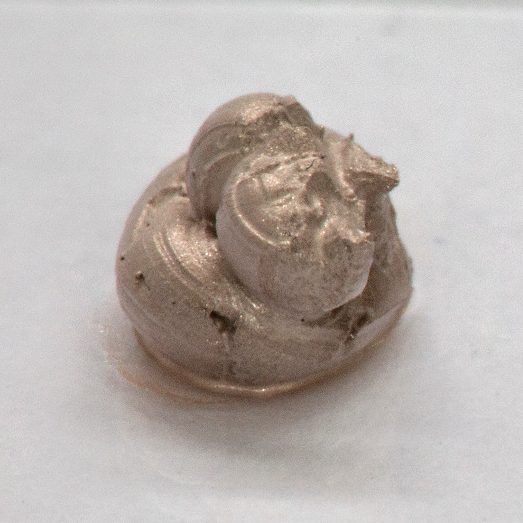
Outlook: Low Temperature Pastes for Innovative Cells
Featuring copper and silver pastes to further reduce silver consumption.
Our Technology - Exceptional Conductivtiy
At our research group at the KIT, we develop electrically and thermally conductive pastes based on a novel physical principle. Our self-organizing particle networks form conductive pathways for more efficient material use. This delivers more than 30% higher conductivity.
It enables us to reduce particle content, like silver, without performance loss, while improving mechanical properties, reducing costs and boosting sustainability.
Since our concept is material-independent, it offers benefits in various applications which requieres different conductive materials. It works across formulations and printing methods like screen printing, dispensing, and stencil printing. Do not hesitate to conatct us to discuss your application.